
Researching Lumi & the Wolf
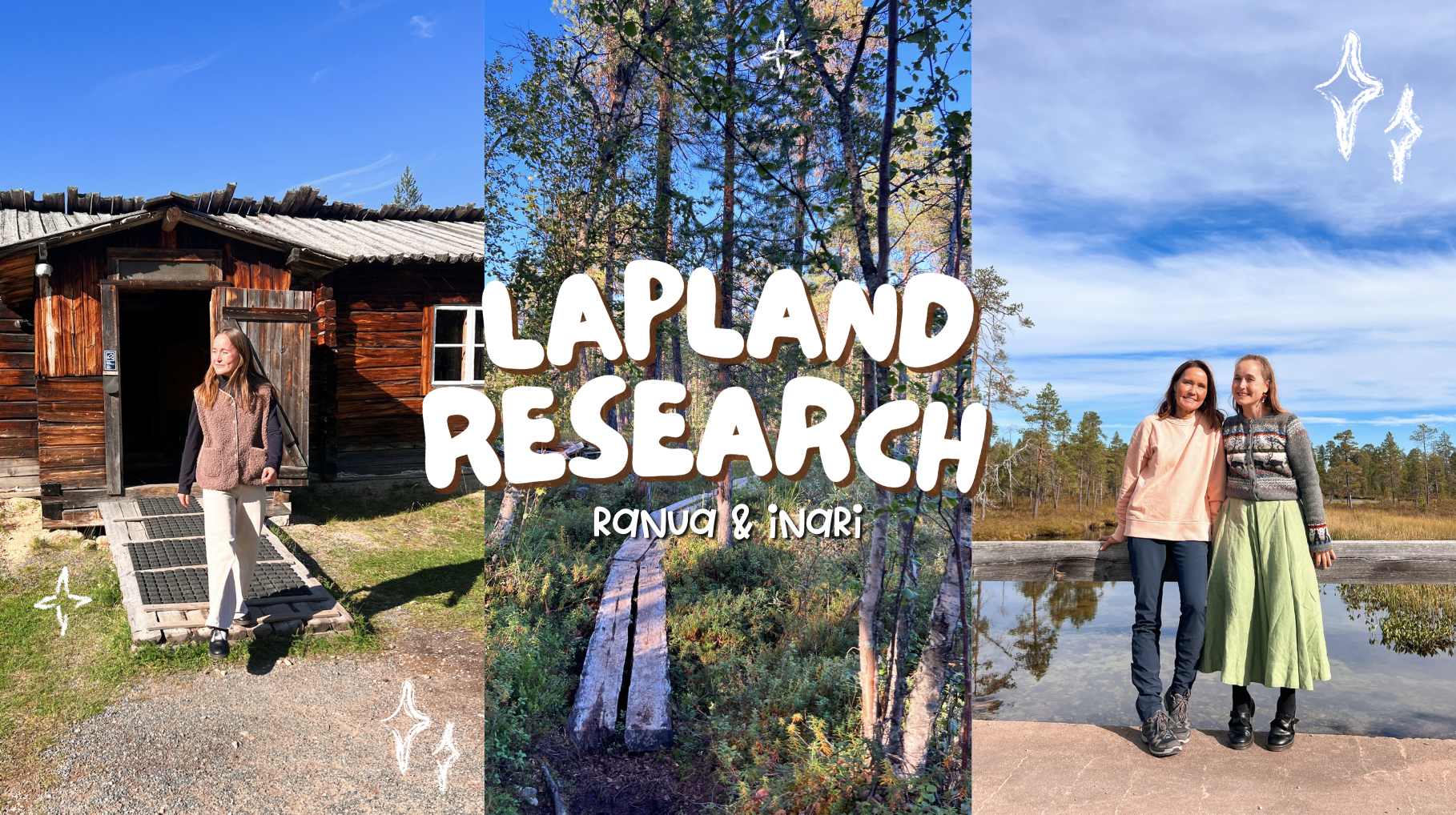
Writing Lumi and the Wolf has been one of the most incredible projects of my life. Although I was born in Finland, I grew up all over the world and went to school in Germany and China. That meant that, in many ways, I was discovering my own country while writing this story. I learnt about Finnish wildlife, geography, history, and folklore alongside Lumi!
I found it extremely important to get all facts in this book right, so I did a huge amount of research. That wouldn’t have been possible without the generosity of so many people who shared their knowledge, time, and lived experience with me.
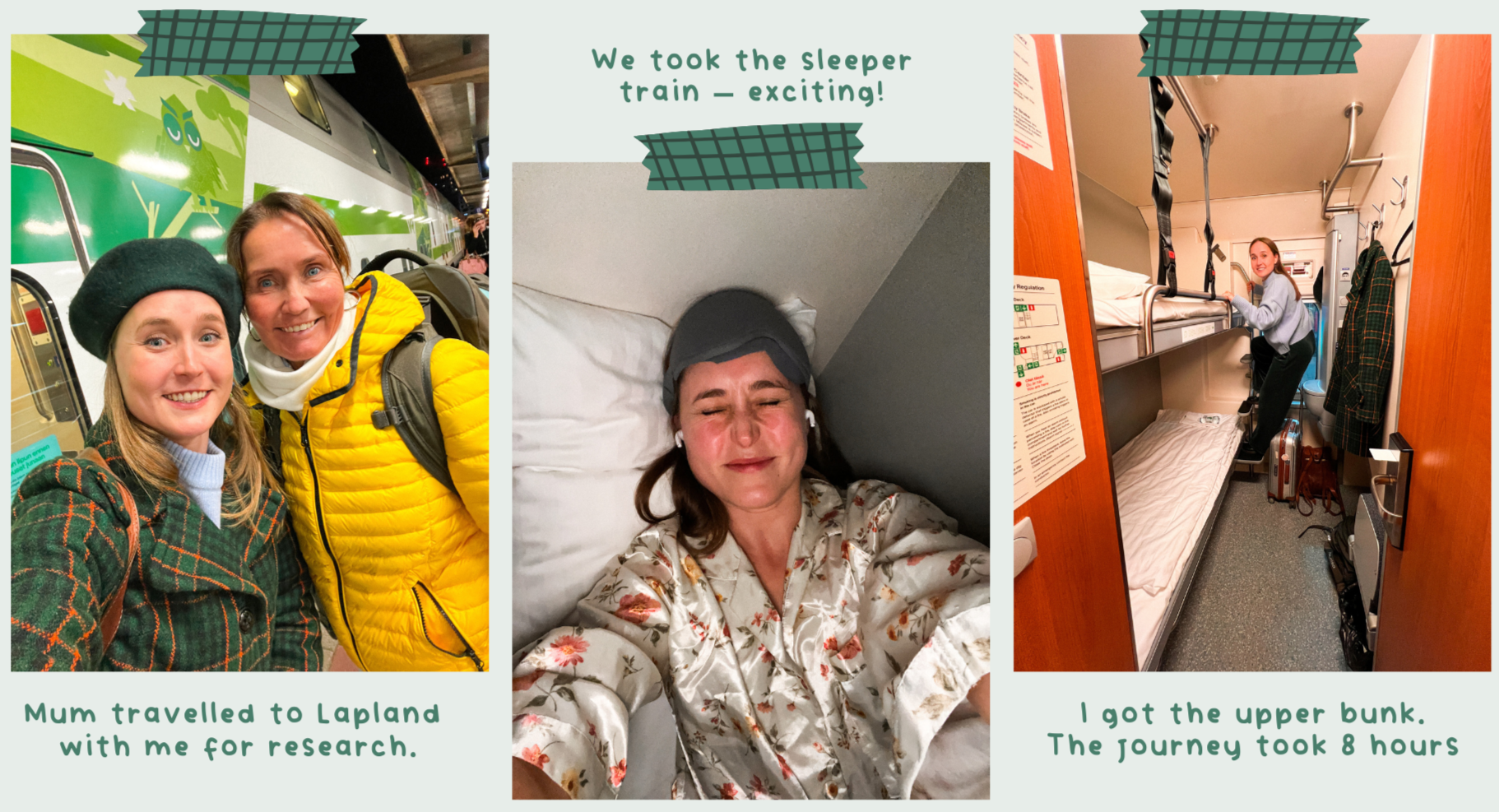
Sleeper Train to finnish Lapland
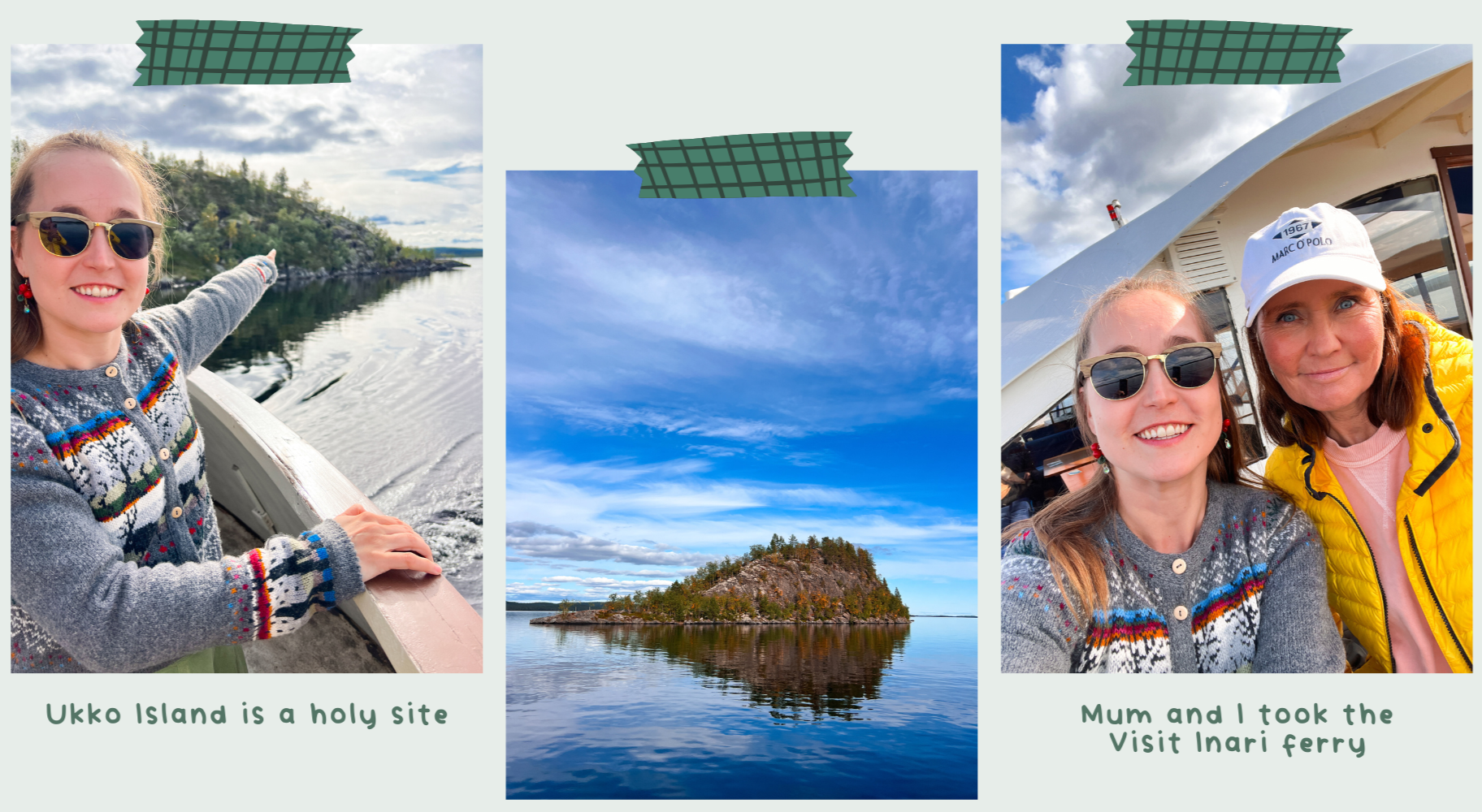
My mum and I travelled to Ranua, Inari, and Utsjoki together for research. First we took a sleeper train to Rovaniemi, from where we hired a car – thanks, Mum, for being my driver! We climbed the fells together, visited museums, met interesting people, and we even came across a dead reindeer – you will recognise it in the book!
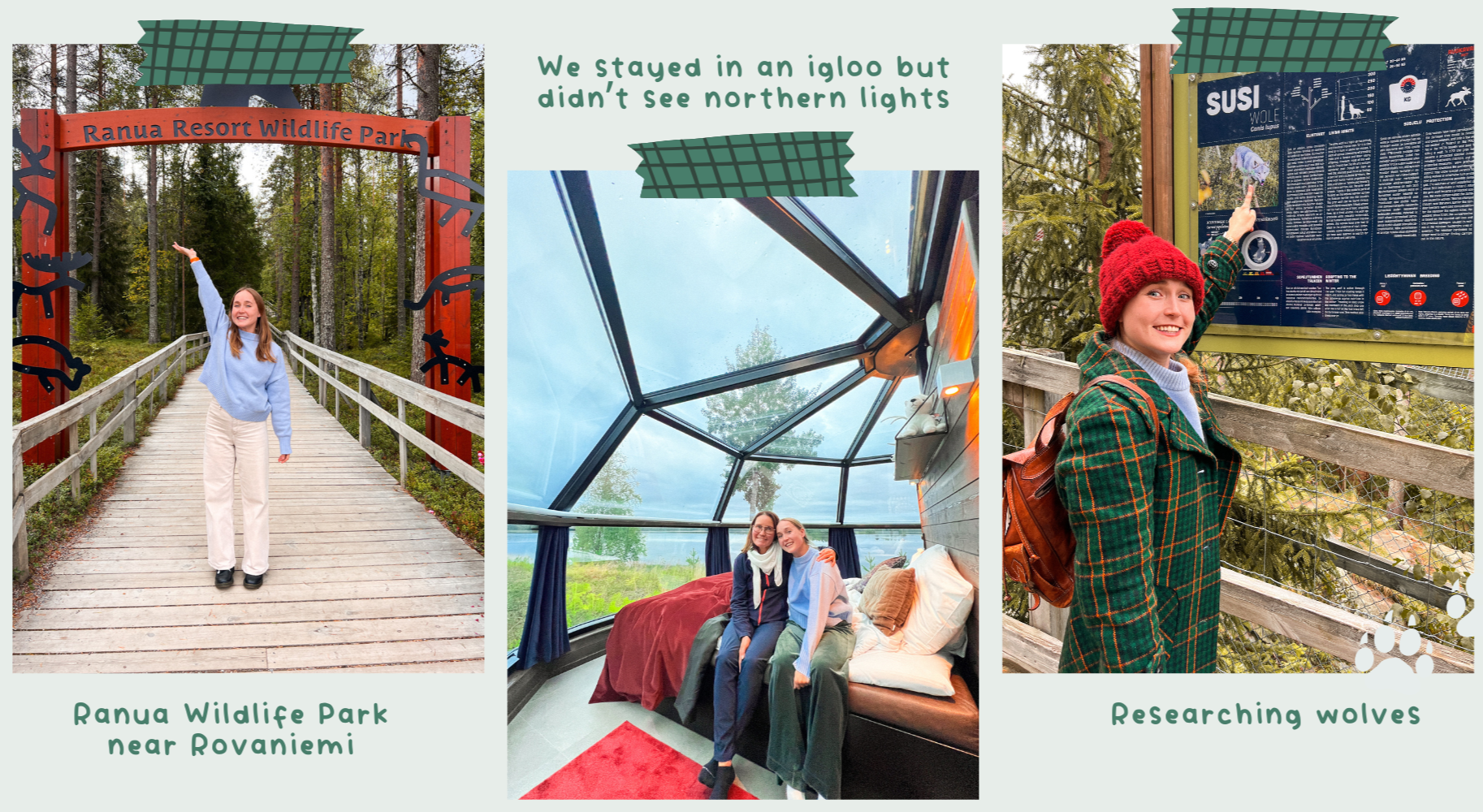
Ranua Wildlife park
A big part of my research involved understanding the animals that play such an important role in my story. So the first stop on our trip was Ranua Wildlife Park, where I had the chance to talk to animal carers.
One of the most important lessons came from animal carer Neea, who taught me what to do if you meet a predator in the wild. I also spent two hours asking carer Sanna endless questions about wolves, wolverines, and how we can better protect Finland’s fragile natural environment.
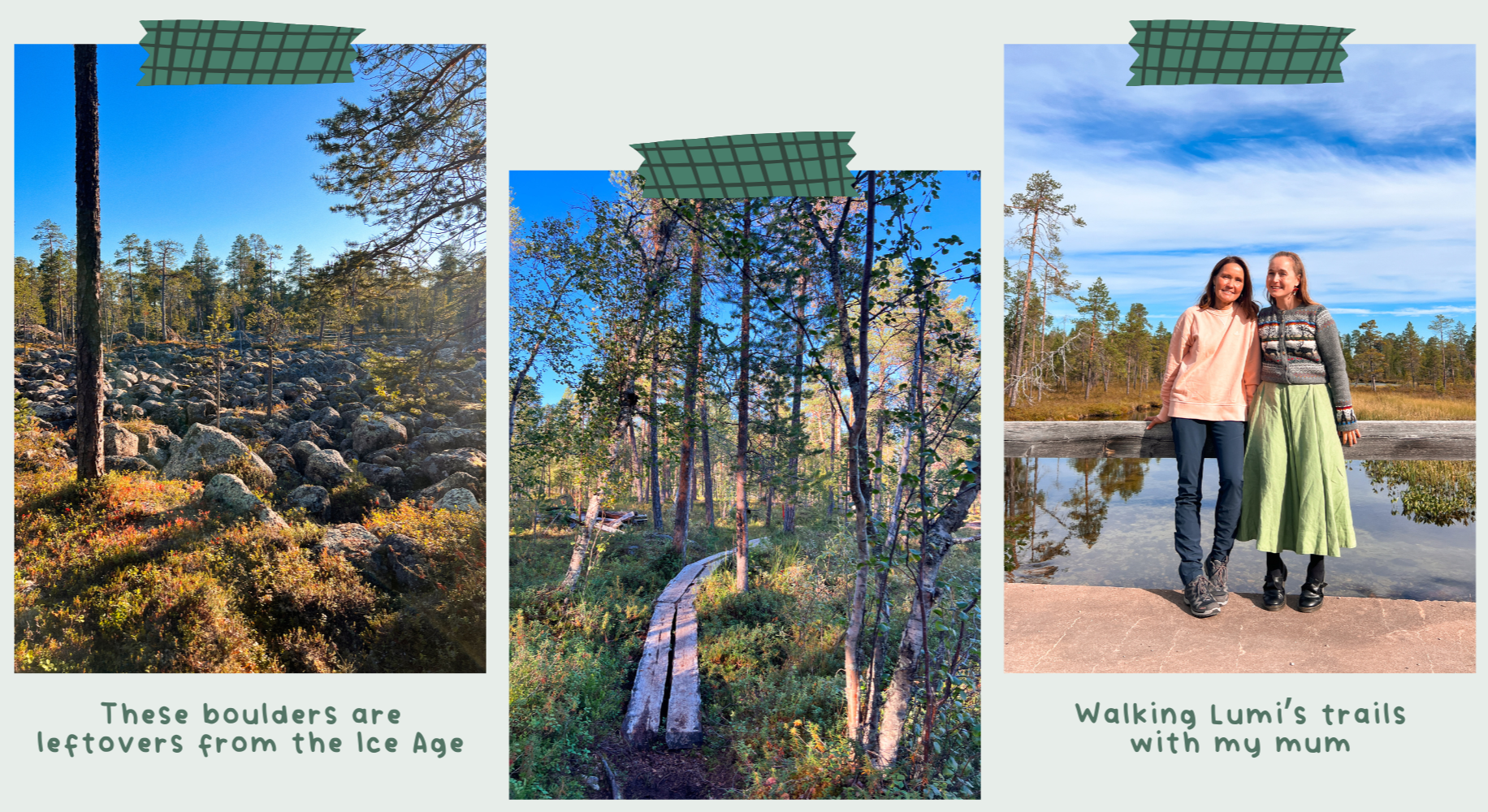
Walking Lumi’s paths in Lapland
To understand the setting, I needed to see it – so after Ranua, we travelled further north, way past the Arctic Circle. Visit Inari kindly hosted me in their incredible Aurora Cabins. Although the northern lights didn’t appear on this trip, I got to walk the same trails Lumi, Oskár, and Wolf take to the National Park. I saw what the trails are like (lots of roots and rocks!) and what trees grow in the area. I even got to visit a holy seida site!
Learning about Sami life and climate change
While in Inari, I attended a lecture by the Finnish Association for Nature Conservation on Inari's nature and the climate crisis. That’s where I met Kirsi, Matti, and Jan. They taught me how climate change is affecting Sámi life today, especially reindeer herding (Kirsi is the wife of a reindeer herder!). That’s where I learnt how unpredictable winters are making traditional ways of living much harder.
History, language, and lived experience
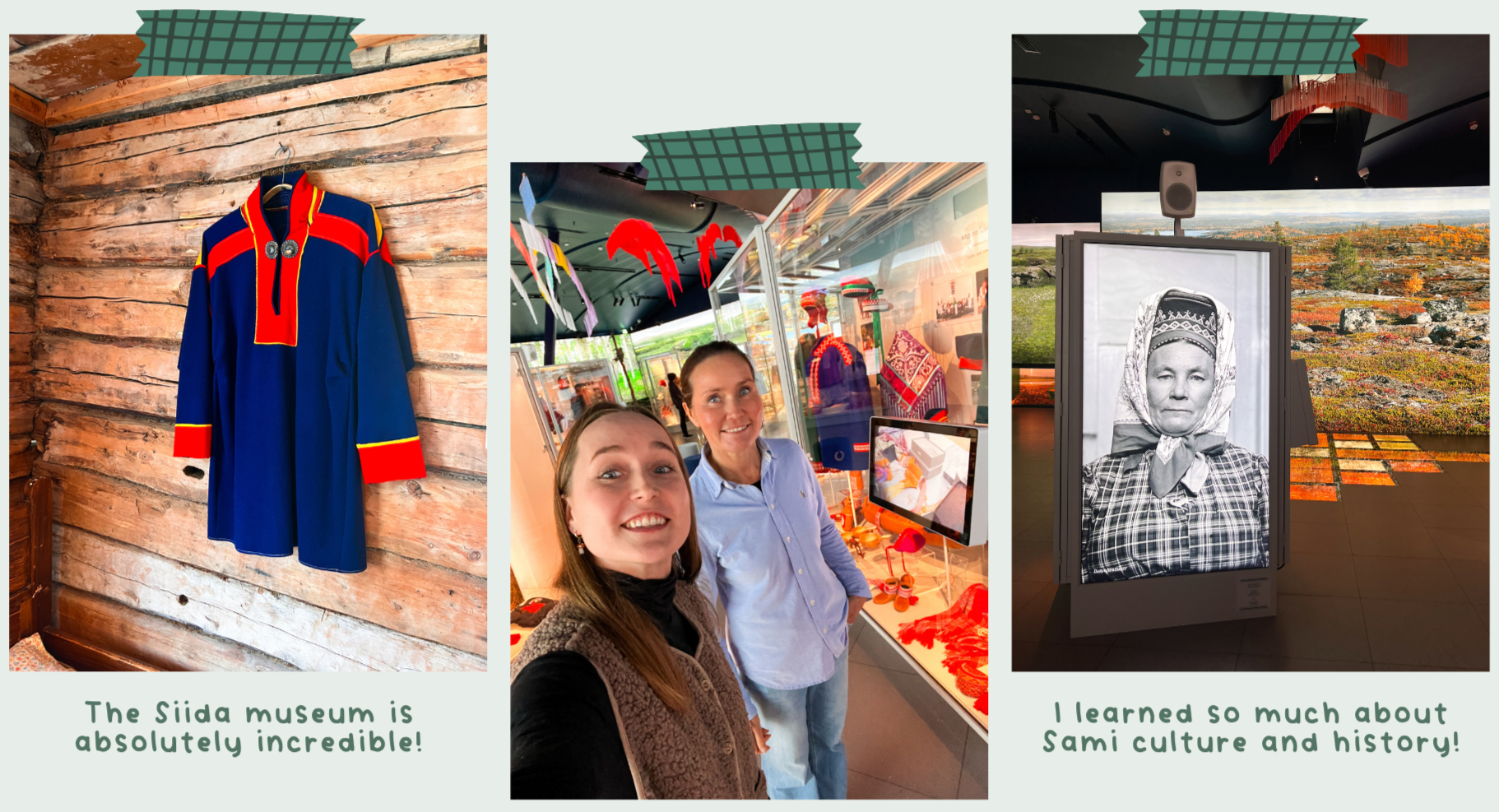
One of the highlights of my research was visiting the Sámi Museum Siida. I met their audience manager, Taija Aikio, for what was meant to be a one-hour tour, but it turned into three hours because I had so many questions. She answered everyone with patience and so much passion. What a great representative of their culture she is! I will never stop recommending this museum.
I also interviewed Skolt Sámi reporter and author Sara Kelemeny, whose insights into Sámi life today, language, and legends were invaluable. She also sensitivity-read Oskár’s character, and made sure that I portray her culture with accuracy and respect. I found it so inspiring to hear about her journey back to her Sámi roots and how she speaks Skolt Sámi with her son at home!
Thanks, mum!
Finally, I have to thank my mum separately for all the information and fact-checking. She works for Finland’s Ministry of Agriculture and Forestry and has kept me up to date on wolf and reindeer legislation since I started writing this book! There’s a terrible new law that allows the hunting of wolves in Finland in 2026, so my book couldn’t be more timely . . .
P.S. I vlogged mum’s and my whole Lapland research trip on YouTube if you want to find out more!